
The New School centennial exhibition "
In the historical present" is up, at the Sheila Johnson Design Center, and it's lots of fun. A dozen contemporary artists, some alums, were commissioned to create something new engaging the New School's past, and if not all of them are quite New School specific, they're interesting reflections on what it is to recall, reconstruct, revitalize a tradition challenging the status quo. Archival objects are also featured and displayed in engaging ways. The curators (both alumnae) strike a suitably serious-playful tone:
An intricate and disorderly bureaucracy with a paradox at its heart, The New School is at once an institution and a scrappy insurgency, a venerable newcomer, an official dissident.
Three of the works invite you to take something with you (above). Daniel Bejar's poster
Don't say you don't remember takes words from a New School student protest flyer - itself appropriating a McGovern presidential campaign slogan about the killings at Kent State - and makes it a generic and obscurely poignant plea for memory. Sheila Bridges' "19" takes the form of paint swatches to critique the white walls ubiquitous even at The New School. And Matthew Jensen's "New School Forest Archive Walk" lovingly documents all the street trees near our several buildings. Clever interventions all, if a little general.

The more truly New School content comes from archival selections, which are displayed in accessible and witty ways. For instance, slides of images from across many decades invite viewers to play with them... each can make their own little exhibition!! But all the while the curators are playing with us, and with the paradoxes of memory, and of exhibition. I gather the retro form of the slide is an ironic late addition to the life of these images, which live in the archives as prints. They were rendered as slides only for this show, this object lesson.


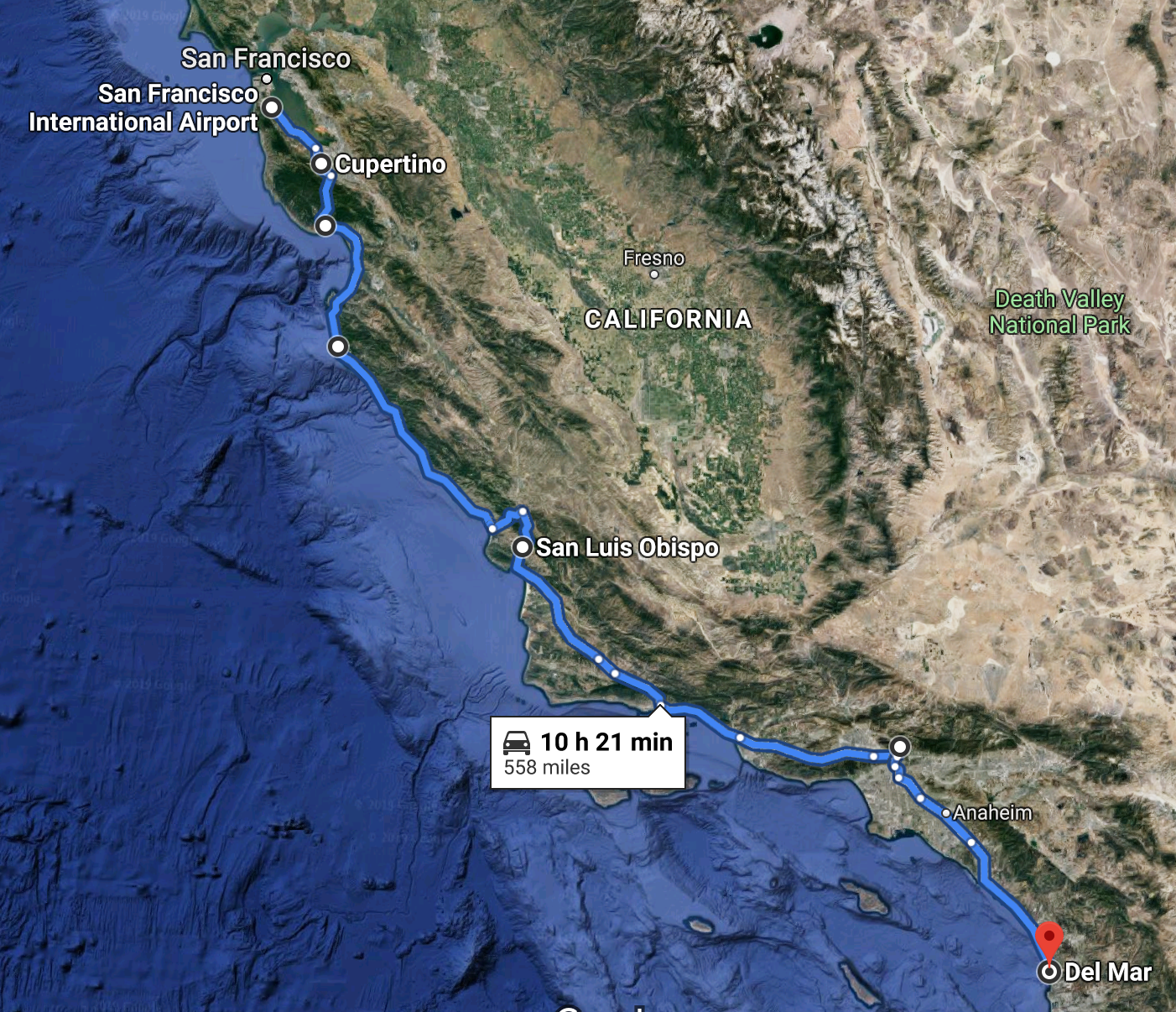

 took us across Los Angeles was a little surreal. As commuter traffic clotted and churned on either side, we whizzed down the HOV (high-occupancy vehicle) lane fancy free and almost entirely alone. Queasy-making to realize the throngs on the sometimes six lanes to our right weren't in the HOV lane as each was a solitary driver. (And unlike us, most weren't driving a hybrid.) New York subway misery aside I'm happy to be only a holiday driver.
  Back in the US, doing something I've always wanted to - driving the coast road south from San Francisco. Today we made it to San Luis Obispo!
  when Air Canada 566 from Vancouver lands in San Francisco! Weird but somehow fitting that this loopy day should mark my blog post #4800!
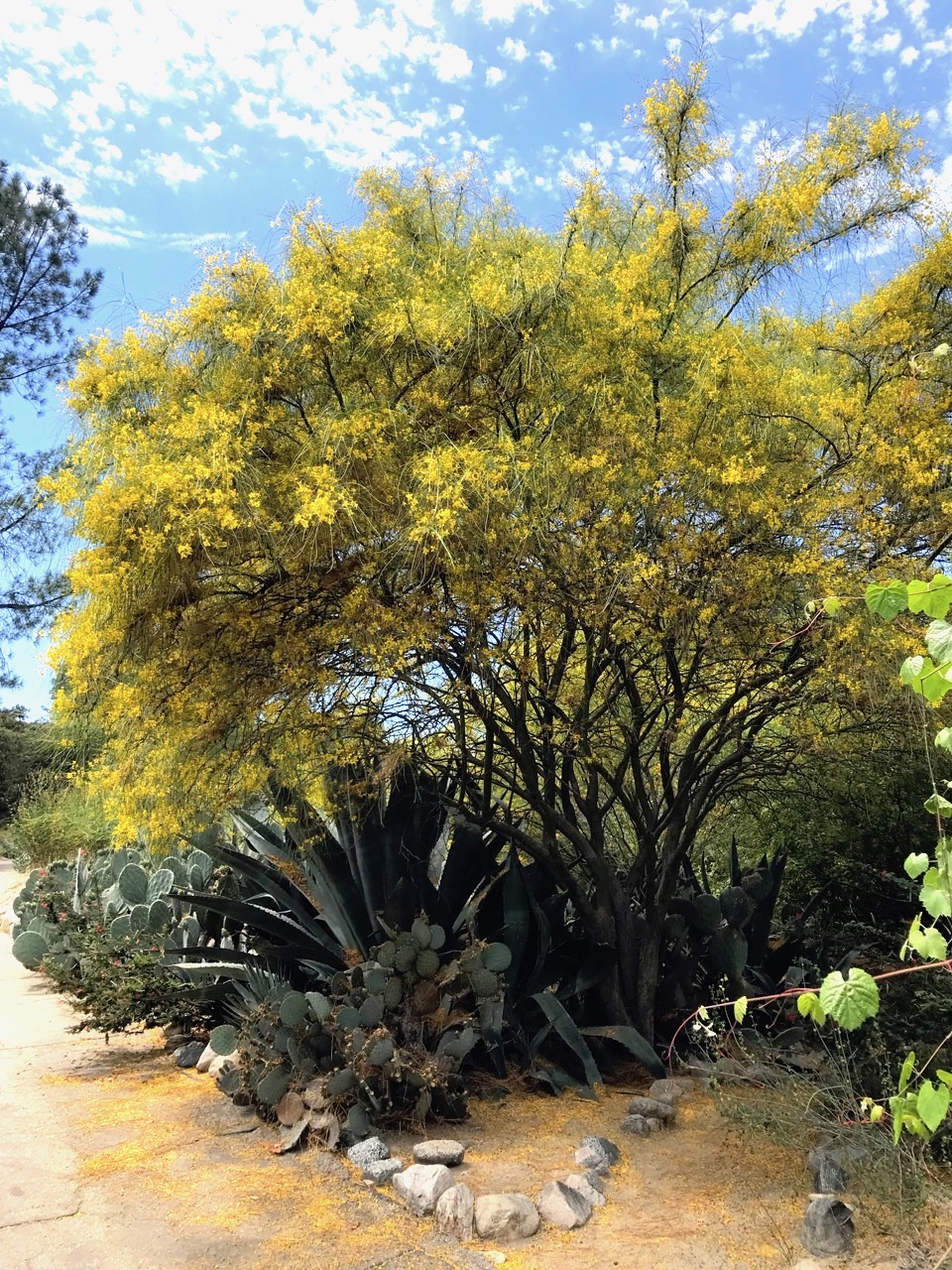
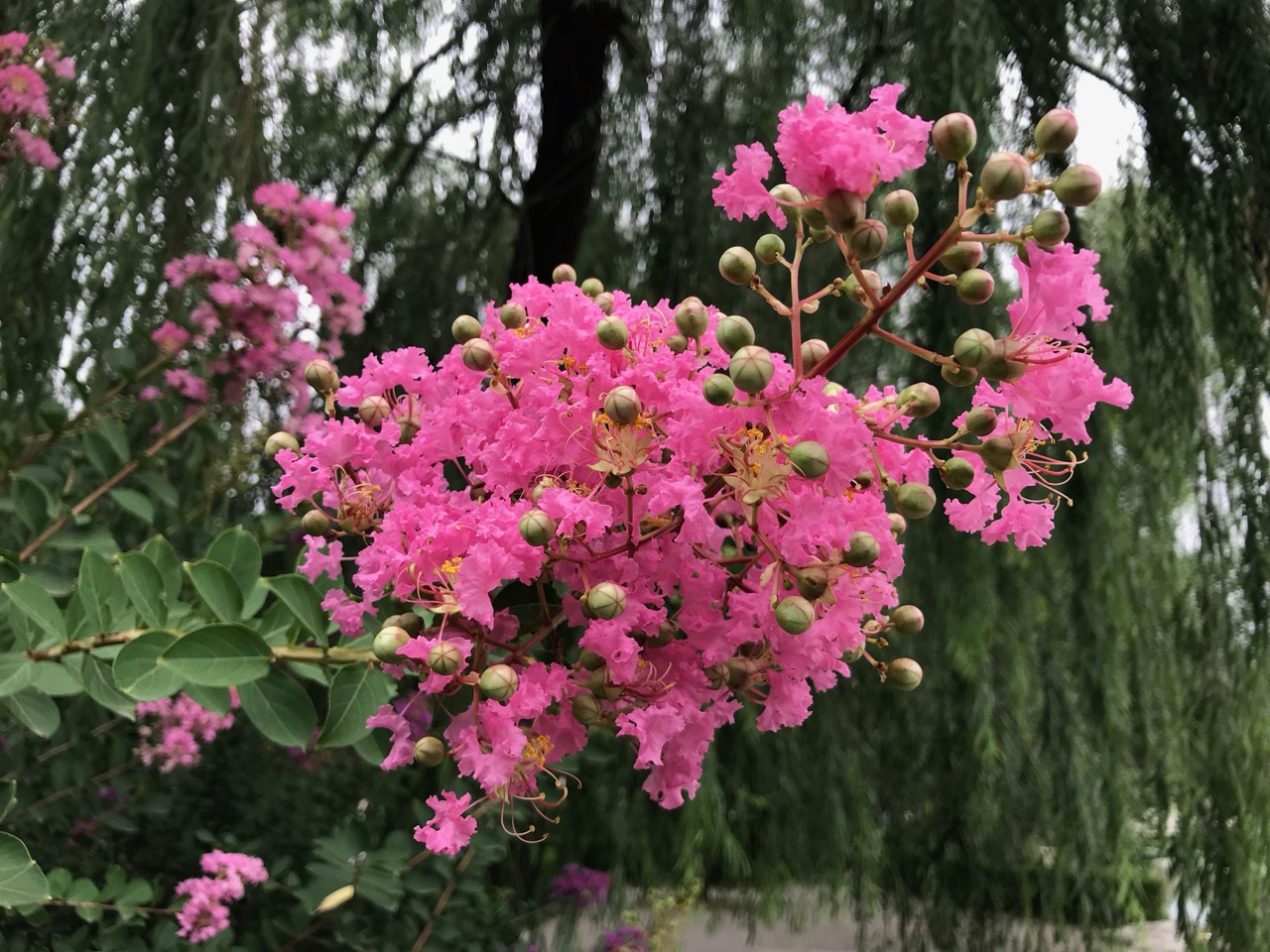
 For my last full day in China, I went to the Beijing Botanical Garden.




 women. We were few enough that we finished with a shared meal, the assistant ordering food to our classroom. But the photo above has its truth, too. Our classroom was in Renmin's new signature building, 明德楼, and overlooked the plaza where all manner of visiting groups took photos, special bleachers being conveniently available for groups large and small... you'll notice another group in the picture I took the first day of class, below. (The hotel where faculty are staying is just across the plaza, entrance in that cylindrical tower.) But the picture at top captures my feelings of the moment in another way. This summer school's felt for our liberal arts crew like something was going on that we weren't really a part of.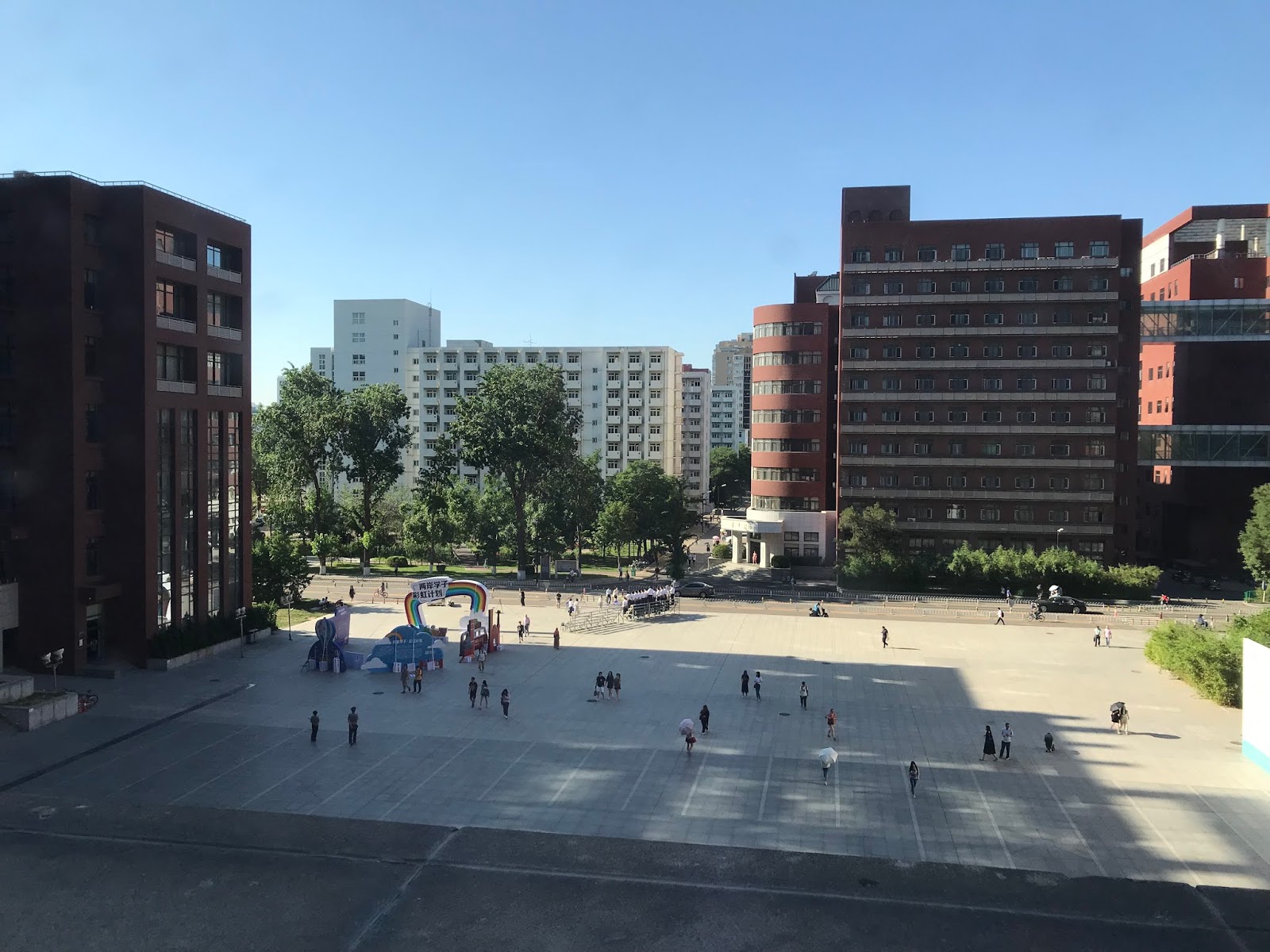
 Feeling I've been neglecting Buddhism a little, I took today to visit 潭柘寺 Tanzhe, the oldest temple in Beijing. Older, in fact, than Beijing - 3rd century CE - it's in the western hills, not quite two hours by public transit from here. If there are monks around, I didn't see them, but there were plenty of stands selling incense and candles, pendants, etc, and a full suite of buddhas, bodhisattvas and others to receive them. Here is 文武财神 Wenwu, one of several gods of wealth on the premise:


